Two freedoms
I finished work at half past five. At the department entrance a middle-aged man was showing two young children the plaque on the building, the one recording where Hodgkin and Huxley first measured a neuron’s action potential. On the way home there was a strange smell of paint, probably from the supermarket being refurbished. The weather was not bad: five in the afternoon and only around twenty degrees. I felt that once I got home I would spend a long time thinking about the day’s events. So I did not go home. I rode my bicycle to the hill, earphones playing Thank You Scientist’s ‘Geronimo’. I had been looping this single for days; I knew every note of the solo but was utterly lost on the lab protocols at work. The last time I watched a sunset was before the summer and the exams. During exams one does not need to think about anything; one just studies, and life is entirely study. After exams one is more exhausted than before, swimming in the ocean of living, on the verge of being flattened by a wave. So two months later, I stood again on the castle ramparts of Castle Hill, switched to Radiohead’s ‘Planet Telex’, and queued ‘High and Dry’ and Wanqing’s ‘Qinhuangdao’.
For a while, the instant the guitar track enters on ‘Planet Telex’ was the happiest half-second of my day, like announcing the birth of an infant, or a cat climbing onto its owner’s bed. Lately I seem to have lost this habit entirely, or perhaps the need for it. I told a friend about the effort I made in first year to be happy: carrying a cassette player to the hilltop to listen to this song. She said I gave her a feeling of hope. But when I think of how lonely I was then I feel despair. Loneliness is not merely the state of being alone; reading a book alone does not make me feel lonely, but sitting on the hilltop watching cars go up and down, people go up and down, dogs go up and down, even the clouds going up and down, that is when loneliness arrives. Helplessness follows loneliness, sadness follows helplessness, and at the edge of sadness I see freedom, but it is not the freedom I want. It is not. I do not want it.
I think of the scene in the second series of Fleabag where the protagonist confesses to the priest. She says she knows what she wants: she wants someone to tell her what to wear in the morning. The priest (every time I see him I think only of Moriarty in Sherlock) says surely someone can do that. She says he does not understand. She wants someone to tell her what to wear each morning, what to eat, what to like, what to hate, what to be angry about, what to listen to, what band to like, what tickets to buy, what jokes to make, what jokes not to make. She wants someone to tell her who to love and how to tell them. She wants someone to tell her how to live, because she feels she has lived this long and taken every wrong road and done every wrong thing. I do not want that freedom, probably for the same reason.
I told my friend that I fall too easily into total devotion, too easily love a person with everything I have. This makes me miserable. I have tried not to, but I always end up back in the same place. She said, you are so serious. I said I cannot help it. I had talked with others before about whether too much responsibility makes one overwhelmed, whether commitment in a good relationship adds pressure. But to me, a good relationship is precisely one with few restrictions. If one truly wants to give a promise, one should give it without fear; if one truly wants to love, one should love without fear. In this there is freedom; in this is the freedom I want, the life I want.
That thought brings back a passage from a short story I wrote in first year, the last paragraph of the fourth section:
I closed my eyes, resisting the urge to stare at the stars. A warmth surrounded me. I felt his slow, tender breathing circling my left temple. The silence of thought surged out of the darkness. I felt his arm, his wrist, his elbow, and the fact that he was a full head taller than me. I felt stillness and life, fragility and courage. I felt ignorance and death, guilt and vastness.
But for a moment, precisely a brief stretch of time, in his arms I did not feel that smallness.
I felt I was free. And he was freedom.
So it was that on the road to this freedom I lost my way and found another kind. How long this life will continue, I do not know. A friend told me to enjoy the present. I said, but there are so many things I want to do in the future; what if this future is gone by tomorrow. He said it will not be; the people one loves are always loved; there is always a future. I said all right, I will keep trying. He said I know you will, just do your best, and whatever happens, face it well. ‘Whatever happens, face it well.’ Such words are always comforting.
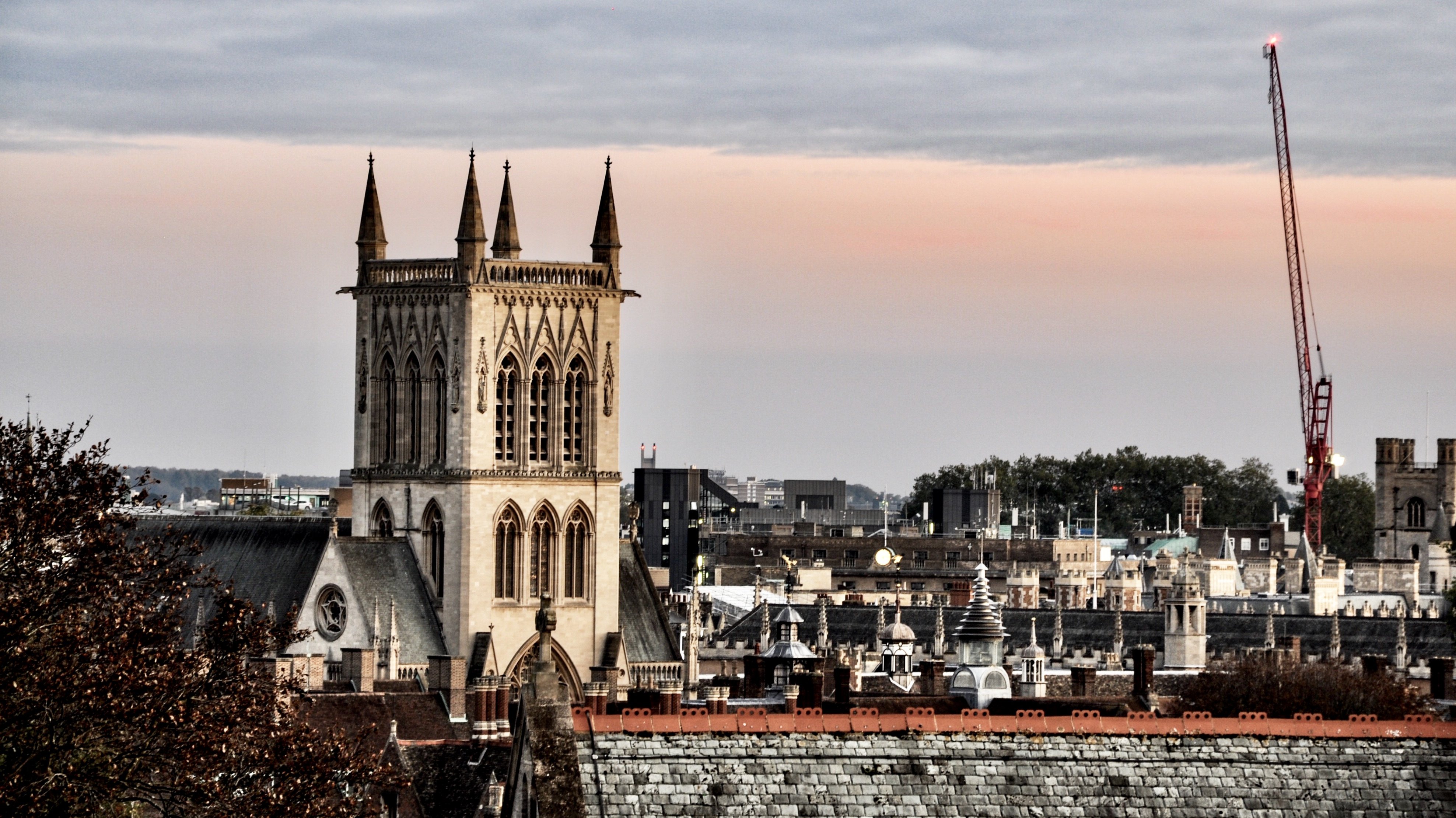
The thought that sunset will not come until half past nine today brings a strange comfort. I walked home, leaving the bicycle at the foot of the hill. Back inside, the curtains I had not opened that morning had been drawn by the cleaner, and western sunlight flooded in. I searched for my slippers in the blinding light, finding one of them under the electric piano. The half-eaten cherries were still on the table. I felt a little dazed, opened my phone. My friend was on the other side of Eurasia, just waking up. I held her. The sunlight blinded me. I drew the curtains. In my earphones, ‘Qinhuangdao’ reached its end. I had listened to this song with her the week before; I knew all the lyrics. Dong Yaqian sings about the young man crossing the strait, proudly perishing for the opposite shore, and then he goes ah ah ah ah ah, and the guitar repeats the main riff a few times, and then a solo with barely any notes. Done. I sat in total darkness, and finally remembered that I am afraid of the dark.
Originally published in Chinese as 「兩種自由」 on 阿莫東森的無聊生活.