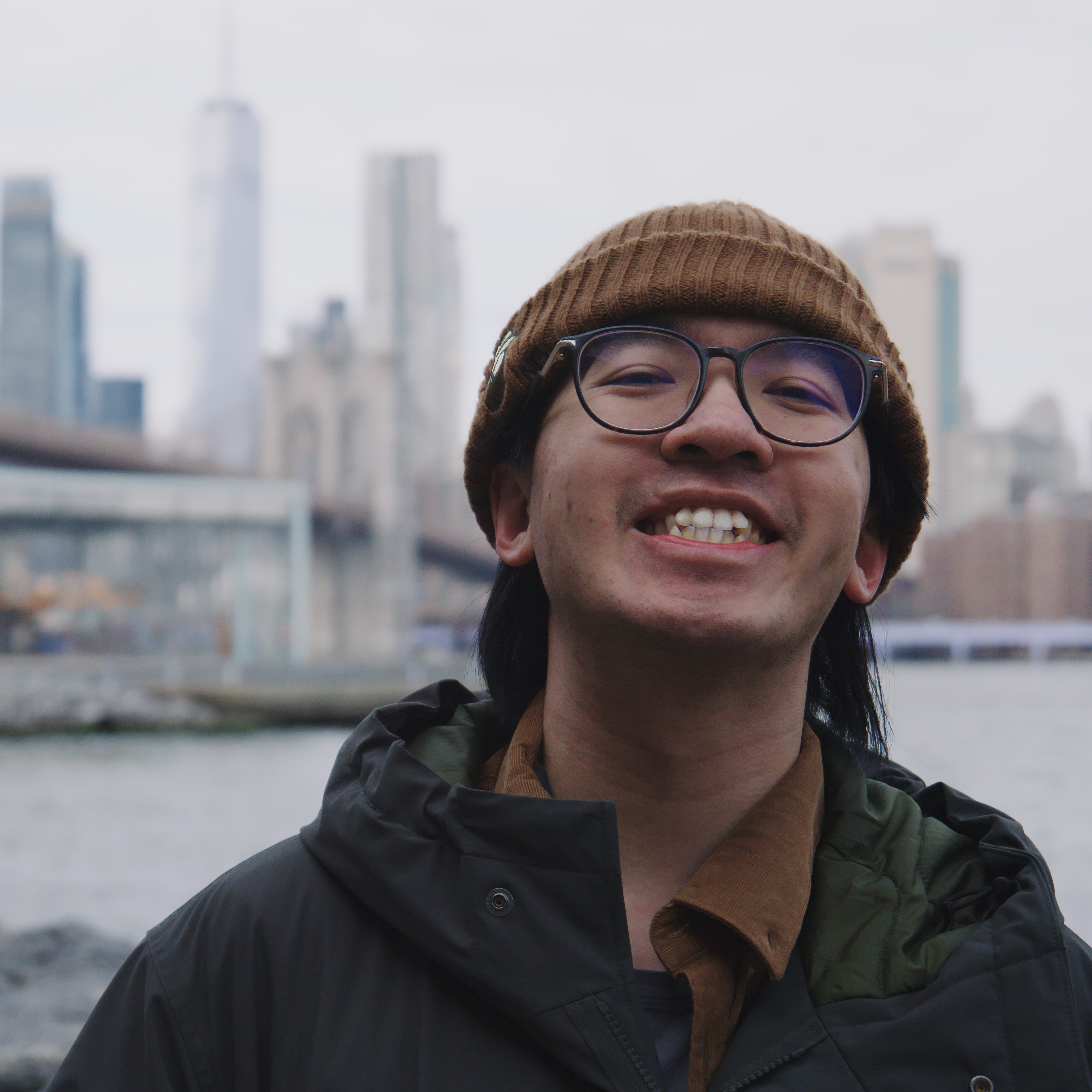
Shanwei
The shark meat was in my mouth before I remembered that sharks are cartilaginous fish. I chewed twice, crushing the soft bone and swallowing it. The bitter melon added during cooking had left the flesh loose and tender, carrying an astringent trace of bitterness that overpowered the salt of the beef tendon balls and soy sauce.
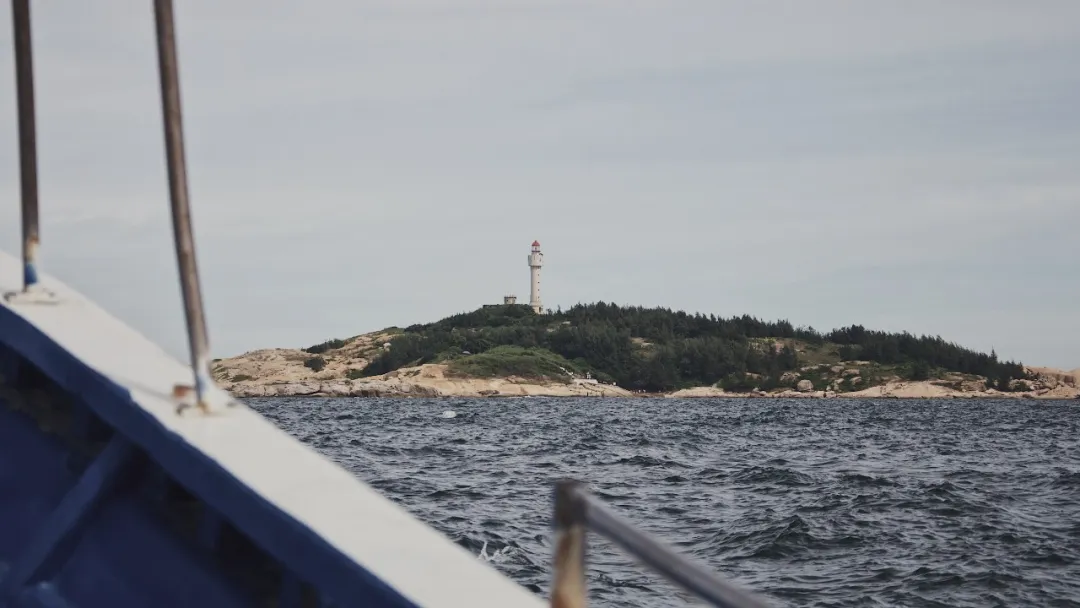
I had never tasted shark meat before this trip home, and had never set foot on an island in Red Bay either. ‘Lighthouse Island’, the place is called; a name blunt enough to match the half-white column of the lighthouse visible from the shore. My parents and I boarded a speedboat from the coast; the hull slapped against the waves and threw up enormous spray, and I thought about having to wipe my glasses again once we landed.
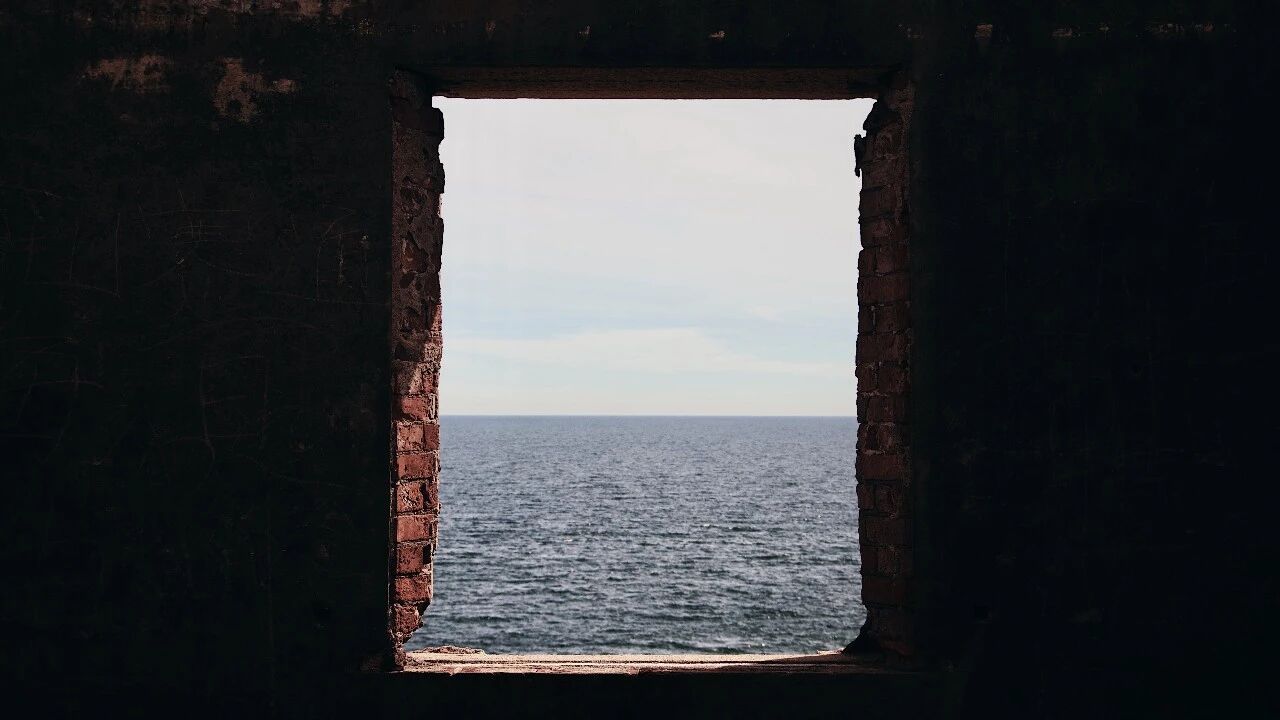
This stretch of home coast has governed nearly everything I understand about the sea. Its wind is my wind, its beaches my beaches, its islands my islands, its fishing boats my boats; so much so that the first time I visited Brighton, confronting a shore made entirely of pebbles, I did not know what to do with myself. Unlike lake water, the deep blue of the sea does not mirror the sky above it; it constitutes a world of its own, projecting wonder and terror in equal measure. Like dunes, waves have neither beginning nor end. Swells form without warning, carrying their roar into every dream held hostage by this water. This sea is the softest place in my heart.
The irony is that this softness owes partly to a linguistic divide. My mother is Hakka, my father Teochew; I was raised under my mother’s care and can follow Hakka conversation, yet I understand Teochew only in fragments. My grandmother on my father’s side spoke only Teochew: neither Cantonese, Mandarin, nor Hakka. For this reason, when I learned a few years ago that she had died, the only response available to me was regret and tears.
I still have not learned Teochew, but I have tried harder since my grandmother’s passing. Over the three years of university, using the holiday months at home, I dutifully practised basic conversation in Teochew with my father. The first phrase he taught me was wáng bā; he told me it meant ‘my father’, but both of us knew (and found it funny) that the same syllables in Mandarin (王八) mean ‘cuckold’, or literally ‘turtle’. From that day on, the Teochew sentence I most enjoyed showing off was ‘Hello, this is my father.’ Every time I said it, he laughed. To this day, my Teochew still sounds ridiculous, but at least I have finally made a real effort, and can crack dialect jokes with my cousins at the dinner table.
As my slow lips and vocal cords chase the archaic phonemes of Teochew, my older cousins have all graduated from students into employees. Everything changes. Shanwei itself is shedding its fishing-village skin: construction sites around every corner, hotel prices climbing year by year. My father tells me that a Hilton has just opened in Red Bay, and the city centre is getting its first Lavande. Nobody knows what this place will look like in ten years. But this sea, this sea will not change; that much everyone knows.
Originally published in Chinese as 「汕尾」 on 阿莫東森的無聊生活.